
Treatment Benefits.
Results You Can Feel — Service You’ll Remember
At Results Based Physiotherapy, we pride ourselves on one thing above all: the results we get for our clients. From your very first appointment to your final session, we’re focused on delivering a physiotherapy experience that’s thorough, personal, and genuinely effective — the kind of care that keeps people coming back and referring their friends and family.
Hands-On Physiotherapy: Our Point of Difference
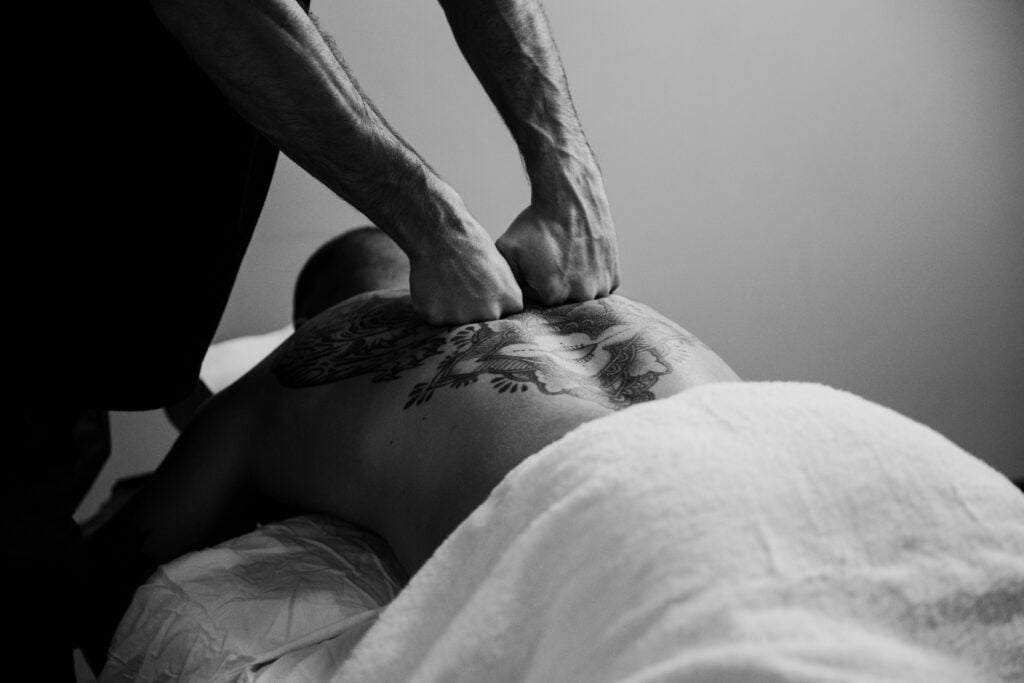
What sets Results Based Physiotherapy apart is our focus on hands-on treatment and advanced manual therapy skills. We believe physical touch is central to recovery — it stimulates circulation, releases tension, and encourages your body’s natural healing process in a way that exercises and advice alone can’t.
Here’s how it works: we use our clinical assessment skills to pinpoint exactly what’s driving your injury, pain, or dysfunction, then use our hands-on techniques to clear the restriction that’s holding your recovery back. Find the cause, remove the blockage, restore movement.
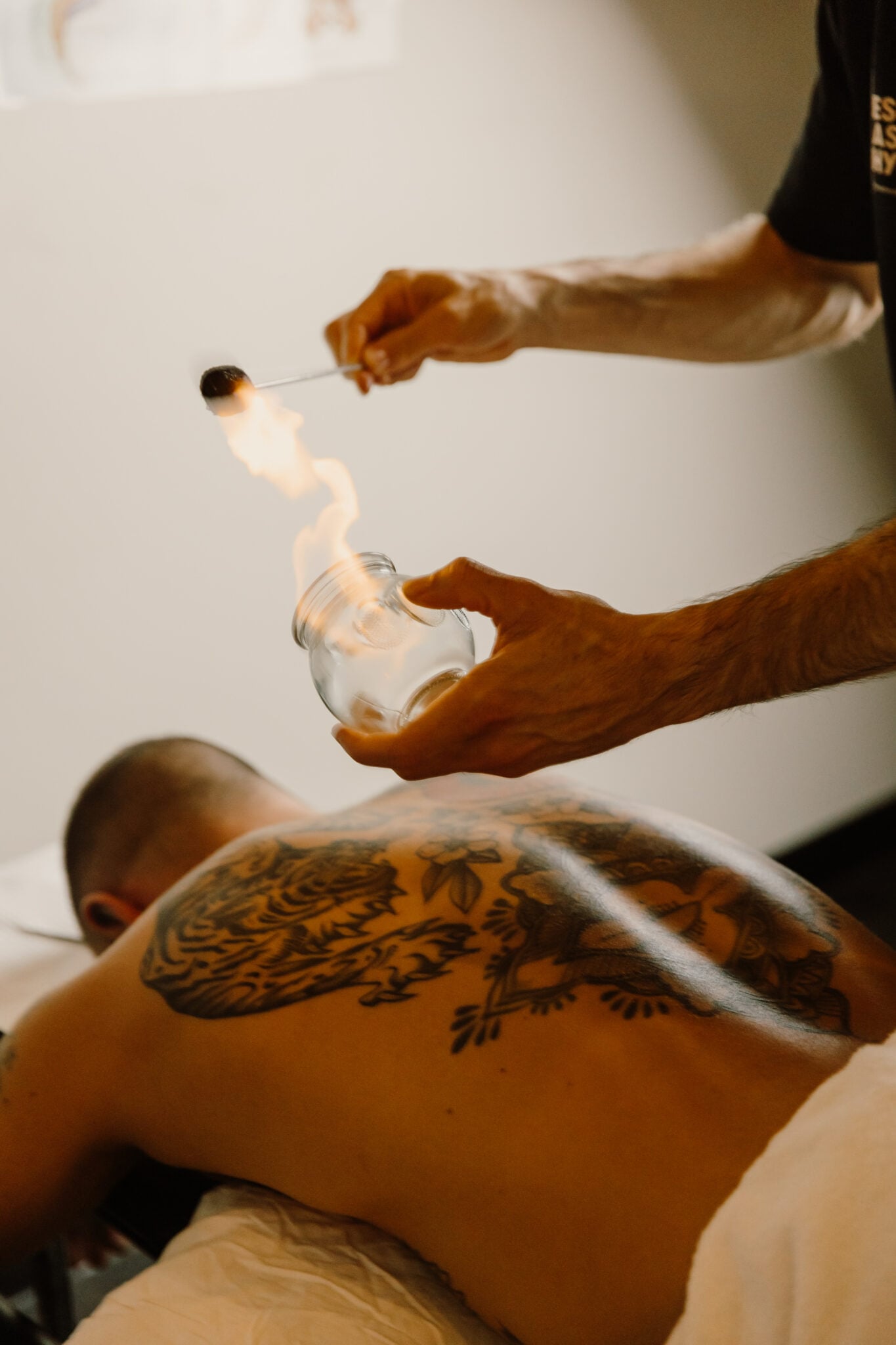
At RBP, we draw on a full arsenal of manual therapy methods, including:
There are many benefits to hands on treatment, but the main benefits to manual therapy include:
The Benefits of Hands-On Treatment
Hands-on manual therapy does more than feel good — it creates real, measurable change in the body. By clearing restrictions and stimulating the tissue directly, treatment supports your body’s natural ability to heal itself and delivers benefits you can feel:
- Genuine pain relief — addressing the source, not just masking symptoms.
- Restored range of motion — improved joint and muscular movement, and better quality of movement overall.
- Improved strength and function — better power and performance from your muscles and joints.
- Better blood supply — increased vascular flow to the treated areas, a key driver of faster recovery.
- Improved sleep and relaxation — a greater ability to physically switch off as tension and pain ease.
How Does Manual Therapy Actually Work?
These benefits get listed on almost every physiotherapy website — but what do they actually mean, and how does the body produce them? That’s the question worth answering.
At Results Based Physio, we explain our results through two lenses: science and clinical experience. Science helps us understand and describe the physiological processes that manual therapy sets in motion within the body — the measurable, evidence-backed mechanisms behind pain relief, improved movement, and faster recovery. Our clinical experience fills in the rest: the consistent, real-world results we see with our clients every day, including the outcomes that current research is still working to fully explain.
We think this honesty matters. Rather than overpromising or hiding behind jargon, we’re upfront about what the evidence shows and what years of hands-on treatment have taught us — because both are what get you results.
The healing effects of treatments include:
The Science: How Massage Helps Your Body Heal
Manual therapy drives faster, more focused healing in the muscle tissue we treat. Here’s what’s actually happening in the body during and after a hands-on treatment:
- Pain relief. The result you came in for — addressing the source of the problem, not just masking the symptom.
- Restored performance and movement. Improved joint and muscular function, along with better range of motion and quality of movement.
- Better rest and recovery. An improved ability to sleep, rest, and physically relax as tension and pain ease.
- Increased blood flow (vasodilation). Physical touch stimulates nerve endings and releases histamine, which widens the blood vessels. In plain terms, mechanical stimulation tells your body to open up its blood vessels and pump more blood — and more oxygen and nutrients — into the area being treated, and to the body as a whole.
- Kick-starting the healing cycle. Treatment creates a controlled, healthy inflammatory response in the injured tissue. This isn’t a bad thing — inflammation is the body’s natural first step in the repair process, and manual therapy helps initiate it.
- More cellular energy. Hands-on treatment encourages cellular signalling that promotes the production of mitochondria — the “powerhouses” that fuel your muscle cells — supporting stronger recovery.
- Less cellular stress. Treatment is associated with reduced markers of “stressed” cells in the muscle tissue, helping the area return to a healthier baseline.
How Does Manual Therapy Improve Strength, Power, and Range of Motion?
It comes down to one key relationship: pain and performance. Manual therapy reduces pain, muscular tightness, and joint stiffness — and once those ease, your body is free to move and perform the way it’s meant to.
Here’s why. When you’re in pain, your nervous system automatically dials down the muscles around the affected area. It’s a built-in protective mechanism — a warning system that limits your strength and movement to guard against further injury. The downside is that your muscles end up underperforming and feeling weaker than they normally would, even if there’s nothing wrong with the muscle itself.
When manual therapy reduces that pain, the “brake” comes off. Your nervous system stops holding the muscles back, and they’re able to work properly again — restoring your strength, power, endurance, flexibility, and overall quality of movement. In other words, we’re often not making your muscles stronger from scratch; we’re removing the pain that was stopping them from performing in the first place.
How Does Pain Actually Work? (And How Physiotherapy Treats It)
To understand how physiotherapy relieves pain, it helps to understand how pain is created in the first place.
Pain signals travel from the injured muscle, joint, or bone to the brain via specialised nerves called nociceptors. These nerves detect signs of stress in the tissue — both chemical and mechanical — and relay them to your brain, where they’re interpreted as pain.
The chemical signals are molecules like histamine and bradykinin, released when tissue becomes inflamed. The mechanical signals come from pressure and tension, often caused by prolonged muscle contraction — the tightness you feel in an overworked or guarded muscle. Physiotherapy targets both of these pain sources directly: reducing inflammation on the chemical side, and releasing muscular dysfunction on the mechanical side.
Why does treatment sometimes hurt?
It’s common to feel some discomfort during or straight after hands-on techniques like deep tissue massage or Instrument Assisted Soft Tissue Massage (IASTM) — and there’s a good reason for it. These treatments deliberately stimulate a mild inflammatory response, and that response is exactly what the body needs to kick-start healing. It activates the vascular system, increasing blood flow to the damaged tissue. That extra blood flow feeds the area with oxygen and nutrients and flushes out waste products, accelerating your recovery. In short: a little discomfort now is part of the process that gets you better faster.
How Does Manual Therapy Improve Blood Supply to the Treated Area?
A lot of the benefit of manual therapy comes down to one thing: blood flow. To understand why that matters, it helps to know what your blood actually delivers — and why getting more of it to an injured area speeds up healing.
Blood makes up around 10% of your total body weight, and it’s made of three key components, each with a job that’s essential to recovery:
- Plasma — the liquid part of blood. It carries water, proteins, sugars, fats, and salts, and transports your blood cells around the body. Plasma delivers nutrients, antibodies, clotting proteins, and hormones to the tissue, and helps carry waste products away.
- Red blood cells — these deliver oxygen throughout the body and carry carbon dioxide back to the lungs to be cleared. Oxygen is fundamental to tissue repair.
- White blood cells — your body’s defence system, protecting the area against infection as it heals.
So how does treatment get more of this to the injured area?
Manual therapy triggers vasodilation — the widening of your blood vessels — through several mechanisms, including the release of histamine and acetylcholine and the direct activation of nerve endings.
As those vessels open, more blood can reach the local tissue — the muscle, fascia, tendons, and skin being treated. That means a greater supply of red blood cells, white blood cells, and platelets flowing into the area, delivering more oxygen, vitamins, and minerals exactly where they’re needed, while flushing waste products out. The result is a healthier environment for the tissue to repair itself — and faster recovery.
How Does Manual Therapy Promote Healing?
This is, by far, the most important thing manual therapy does — so it’s worth understanding properly.
Manual therapy’s healing effects have been recognised for thousands of years, with records in ancient Chinese and Indian medicine dating back to around 3000 BCE — roughly 5,000 years ago. But to understand how it helps your body heal, you first need to understand how your body heals itself.
Manual therapy has been shown to create a short-lived inflammatory effect (lasting around 1–3 days), which is then followed by a whole-body anti-inflammatory effect. The key point is this: to reach those anti-inflammatory benefits, the body first has to pass through the inflammatory stage. Inflammation isn’t the enemy — it’s the trigger. Alongside this, treatment promotes greater mitochondrial signalling and reduces markers of cellular “stress” in the muscle, both of which improve how efficiently your cells perform.
Why inflammation is the first step to healing
Your body initiates all tissue healing through inflammation. Inflammation needs a stimulus to begin — that could be blunt trauma, or it could be a deliberate, controlled treatment like deep tissue massage or dry needling. Once triggered, a cascade of vascular and cellular processes kicks in: the body identifies the damaged cells, breaks them down, and gradually replaces them with new, healthy tissue.
Put simply: without inflammation, the body doesn’t heal. It happens in three phases.
Phase One — The Inflammatory Phase
This phase begins with the tissue damage itself. Blood vessels briefly narrow (vasoconstriction), then widen (vasodilation) to flood the area with resources. The damaged site is identified and clotted, damaged cells are cleared away, and the body signals for the materials it needs to start rebuilding. Depending on the severity of the injury and your own healing capacity, this phase can last anywhere from a few hours to a few weeks.
Phase Two — The Rebuilding (Proliferation) Phase
Now the body replaces the destroyed cells with new, healthy ones and forms new blood vessels. Damaged connective tissue is repaired using scar tissue — and this is an important point to understand: your body doesn’t rebuild the injured area with identical, original tissue. It uses scar tissue, which is less flexible and of lower structural quality than the tissue it replaces. How long this phase takes depends on the severity of the injury, your age, any previous injury to the same area, and your nutrition — in short, your overall capacity to heal.
Phase Three — The Maturation and Remodelling Phase
In this final phase, the scar tissue becomes more organised and refined. Cells that are no longer needed are cleared, and the tissue starts to adapt and remodel around how you move — building greater tensile strength in response to the demands you place on it. This is a crucial detail: scar tissue only reaches around 70% of the strength of the original tissue. That’s exactly why it’s so important to give the injury the best possible chance to heal fully, without repeatedly disrupting the healing cycle. This phase can run from a few weeks up to 12 months, depending on the severity of the damage, your body’s healing ability, and whether the process is interrupted by further injury.
How Long Does It Take for an Injury to Heal?
One of the most common questions we get is simply: how long until I’m better? The honest answer is that it depends — all tissue damage sits on a spectrum from mild to severe, and the more significant the injury, the longer it takes to heal.
Healing times also vary from person to person, influenced by your age, nutrition, hormonal health, sleep, stress levels, previous injury history, connective tissue type, and how much load your posture and daily activity place on the area. The timeframes below are general guides for each type of tissue and grade of injury — your physiotherapist will give you a clearer picture specific to your situation at your assessment.
Muscle Tears
- Grade I (mild): 0–2 weeks
- Grade II (moderate): 4 days–3 months
- Grade III (severe / rupture): 3 weeks–6 months — a full rupture sometimes requires surgical repair, depending on the muscle and location of the tear.
Tendon Tears
- Grade I (mild): 2–4 weeks
- Grade II (moderate): 3–6 weeks
- Grade III (severe / rupture): 6 weeks–6 months — may require surgical repair depending on the tendon and location, and in some cases won’t fully heal on its own.
Ligament Tears
- Grade I (mild): 2–4 weeks
- Grade II (moderate): 3–6 weeks
- Grade III (severe / rupture): 6–12 weeks — a full rupture sometimes requires surgical repair, depending on the ligament and location.
Bone Damage
- Bony stress injury: 3–8 weeks
- Bone fracture: 5–12 weeks
- Articular (joint) cartilage damage: 6 weeks–12 months, and in some cases may not fully heal on its own.
How Does Manual Therapy Improve Sleep and Relaxation?
Manual therapy has been shown to improve the body’s ability to relax — and, in turn, to sleep — through several mechanisms, mostly working through the nervous and hormonal systems.
Your nervous system runs on chemical messengers. Each signal carries a command to a specific part of the body, triggering a chain of responses. Some of these messengers — like the neurotransmitters dopamine and serotonin — play a major role in regulating your sleep and wake cycles.
When your body receives hands-on treatment and physical touch, it releases neurotransmitters including acetylcholine, the main chemical messenger of the parasympathetic nervous system. You might know this better as your “rest and digest” system — the one responsible for slowing your heart rate and breathing, and boosting digestion. It’s the opposite of “fight or flight,” and it’s the state your body needs to be in to properly relax and heal.
The role of serotonin, dopamine, and acetylcholine
Manual therapy has been shown to increase the production of serotonin, dopamine, and acetylcholine — all closely tied to that “rest and digest” state. Beyond promoting relaxation and better sleep, these chemical messengers are also strongly linked to natural pain relief (analgesia), among a range of other positive effects on the body.
The vagus nerve connection
Hands-on treatment has also been shown to stimulate and improve the tone of the vagus nerve — one of the main nerves of the “rest and digest” system. The vagus nerve is closely associated with positive mood and good physical and mental health. The stronger its tone, the faster your body can wind down from stress and anxiety and return to the relaxed state where real healing takes place.
Stimulating the vagus nerve has also been shown to improve Heart Rate Variability (HRV) — the tiny variations in time between your heartbeats, measured in milliseconds. Generally, the higher your HRV, the better your cardiovascular and nervous systems are functioning, making it a useful marker of overall recovery and wellbeing.

Other benefits of Manual Therapy?
Other fantastic benefits of manual therapy include:
The Wider Health Benefits of Manual Therapy
Manual therapy’s effects reach well beyond the muscle or joint being treated. Because it works through the circulatory, hormonal, and nervous systems, hands-on treatment can support your whole-body health in ways many people don’t expect.
On the emotional side, treatment can help lift your mood and promote a sense of wellbeing through the release of feel-good hormones such as oxytocin. It also supports healthier tissue repair, helping to reduce excessive scar tissue formation in connective tissue so the body heals with better-quality tissue. Even your skin benefits — hands-on work stimulates the skin’s oil glands and improves its blood supply, keeping it healthier and better nourished.
There are cardiovascular and systemic effects too. By mechanically promoting blood flow, along with several other mechanisms, treatment can help lower systemic blood pressure. It also enhances the function of your lymphatic system — the network responsible for clearing waste from the body and transporting immune cells (white blood cells) to where they’re needed. And by activating the parasympathetic “rest and digest” system, manual therapy helps reduce excessive cortisol, one of the body’s primary stress hormones. Finally, treatment can increase urinary output, supporting the body’s natural processes for clearing waste.