
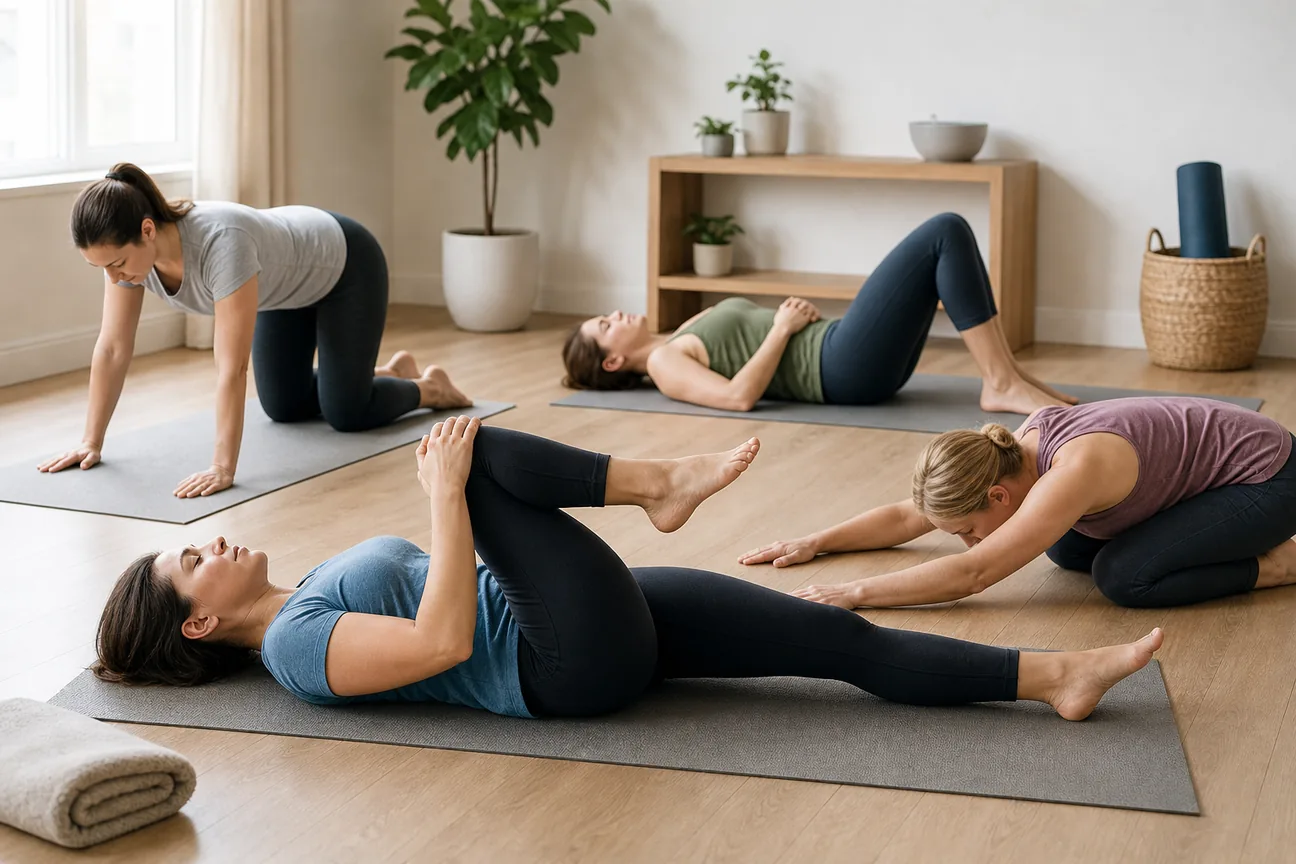
Sharp, shooting pain down your leg can make everyday tasks feel impossible. You don’t need heavy equipment or complex routines to start easing that ache. Below are five sciatica exercises you can try at home, plus a quick guide on what to watch for.
1. Figure 4 Stretch: a gentle buttock stretch
The Figure 4 stretch is a hip‑rotator move that opens the piriformis and eases pressure on the sciatic nerve. It’s best for people who feel tightness in the buttocks or a dull ache that radiates down the leg.
How to do it: lie on your back with both knees bent. Cross the ankle of the sore side over the opposite knee, then gently draw the uncrossed thigh towards your chest until you feel a stretch in the buttock. The stretch can improve flexibility and reduce muscle tension. Hold for 20‑30 seconds on each side. The move requires only a mat and takes less than a minute to set up.
If pain worsens, ease out of the position.
2. Knee‑to‑Chest Stretch: a low‑effort mobility option
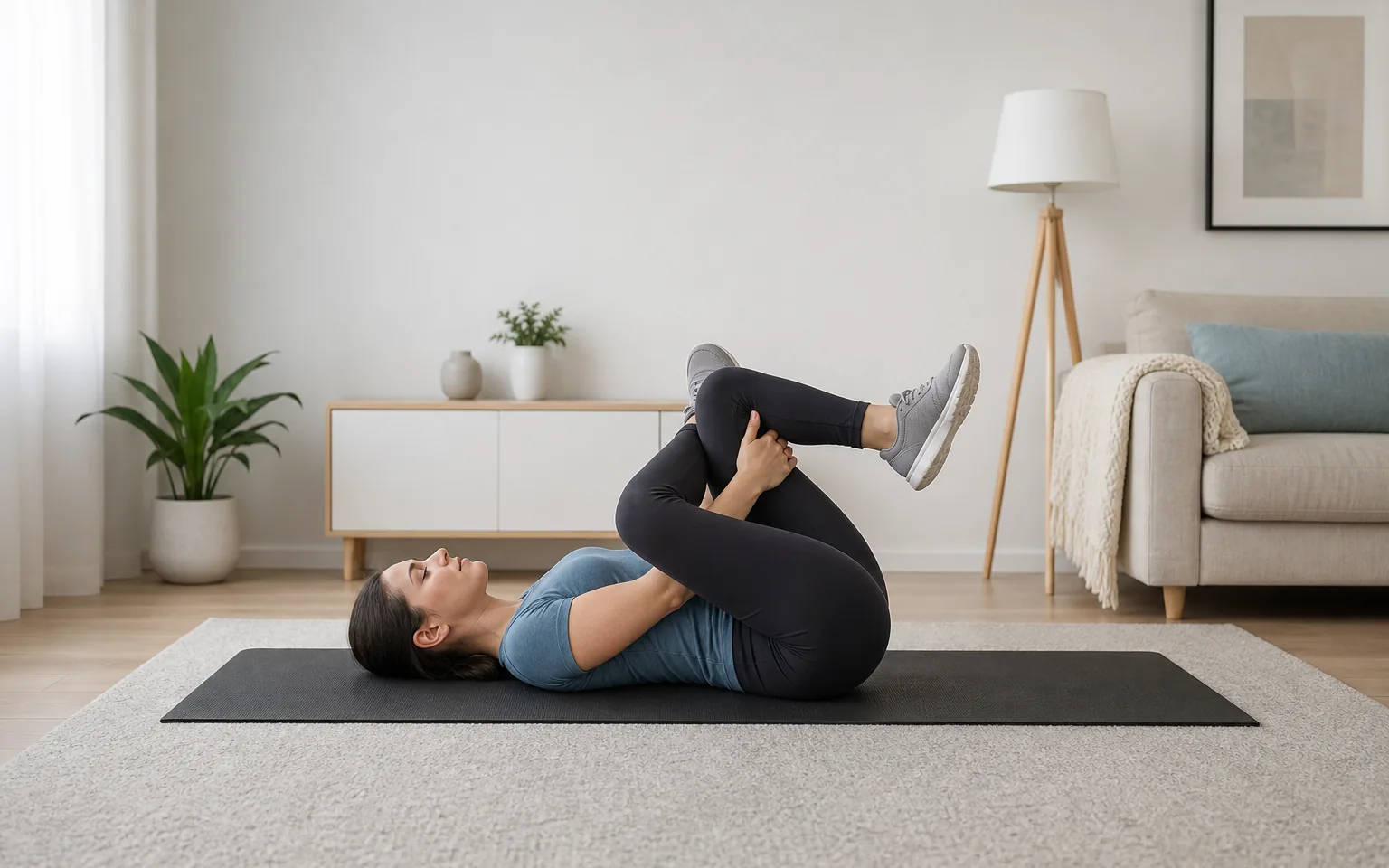
The knee‑to‑chest stretch gently flexes the lower back and hips, helping the spine move without forcing it. It suits anyone who finds it hard to sit or stand for long periods.

How to do it: lie on your back with knees bent, hold behind one thigh and gently bring that knee towards your chest, keeping the other foot on the floor. Try three repetitions per leg, holding each for about 30 seconds. No equipment is needed, just a comfortable floor space.
Stop immediately if pain worsens.
3. Glute Bridges: a basic glute‑strengthening option
Glute bridges lift the hips while the shoulders stay grounded, building strength in the glutes and lower back to help alleviate sciatica. They’re ideal for those who need more support around the pelvis and lumbar spine.
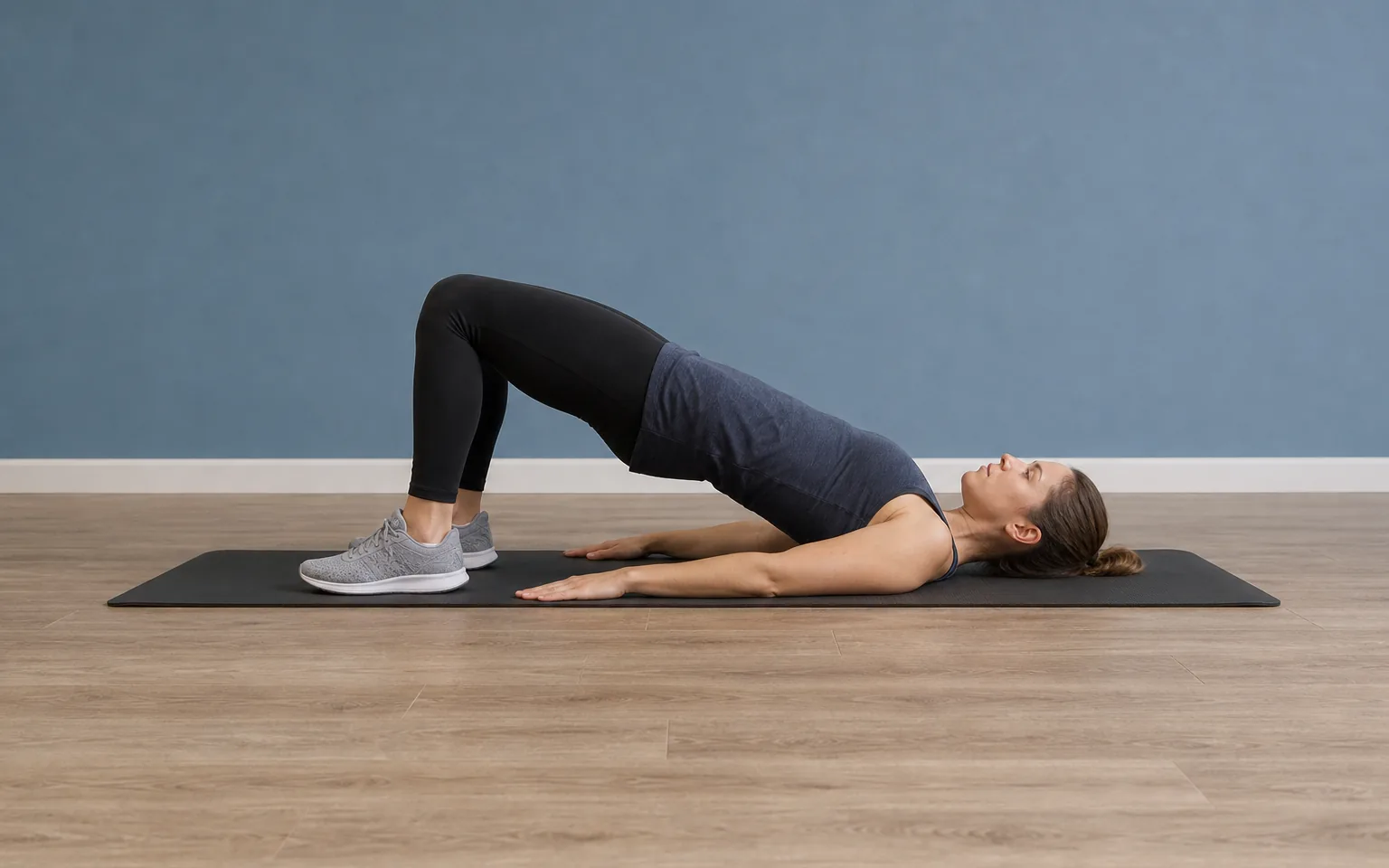
How to do it: lie on your back with knees bent and feet flat, hip‑width apart. Squeeze your buttocks and lift your hips until your shoulders, hips and knees form a line, hold for two to three seconds, then lower slowly. Start with 8 to 10 repetitions, moving up to multiple sets when comfortable. The exercise uses only body weight, so you can do it on a carpet or firm floor.
Stop immediately if pain worsens.
Find a physiotherapist in Albert Park who can tailor this bridge routine to your needs.
4. Cobra Pose: a gentle back‑extension option
Cobra pose is a mild lumbar extension performed on the stomach, encouraging the spine to lengthen. It helps create space for the sciatic nerve without heavy loading.
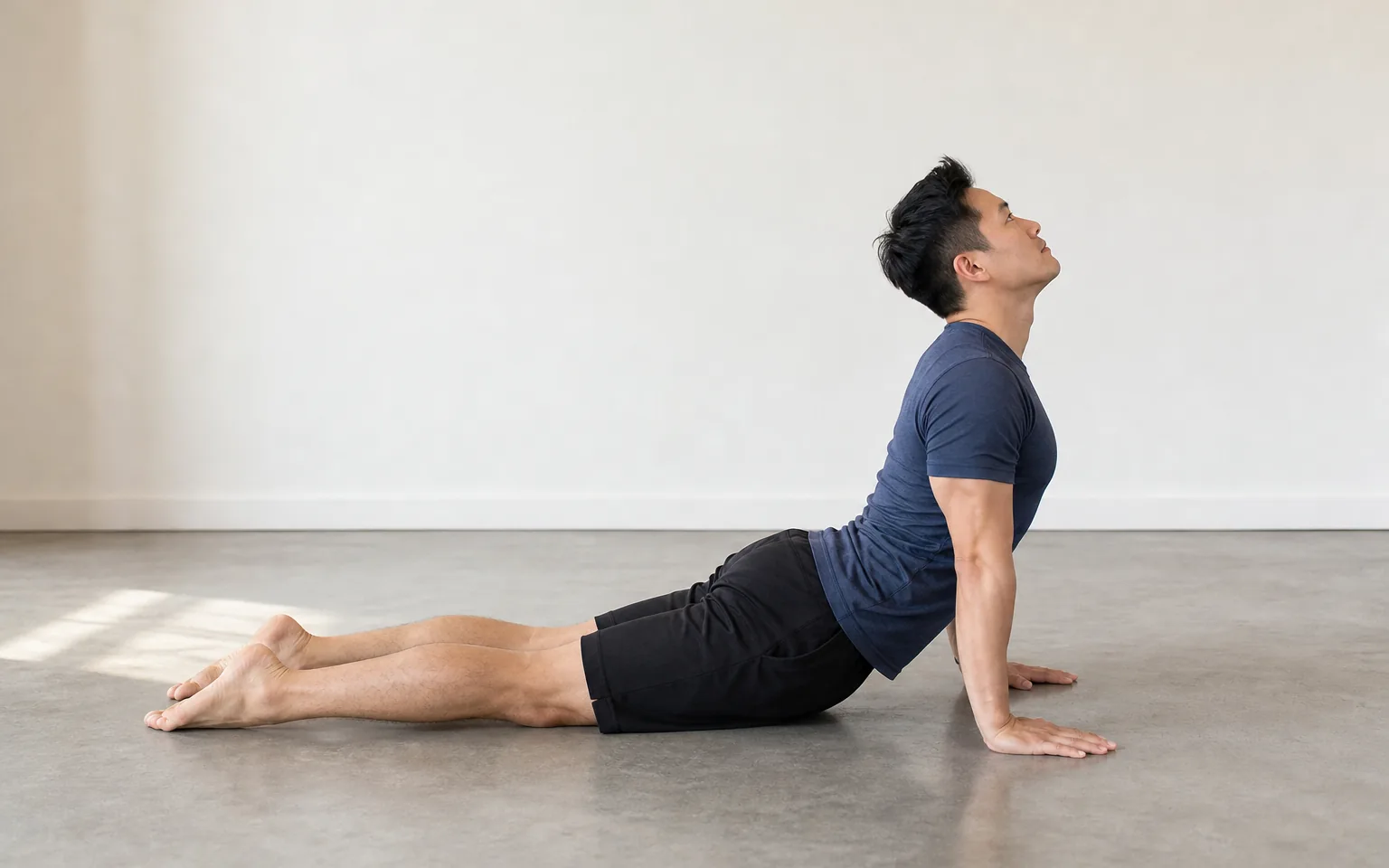
How to do it: lie face down with your hands under your shoulders. Gently press up to lift your chest while your hips stay on the floor, then lower slowly. The pose stretches the chest and abdomen while working the lower back muscles. Aim for ten gentle repetitions, holding each lift only as long as it feels comfortable.
If pain worsens or new pain occurs, stop immediately.
5. Gentle Nerve Gliding: a controlled mobility exercise
Nerve gliding, also called neural flossing, is a gentle exercise for nerve mobility. The aim is controlled movement rather than a forceful stretch, with attention to how the movement feels.
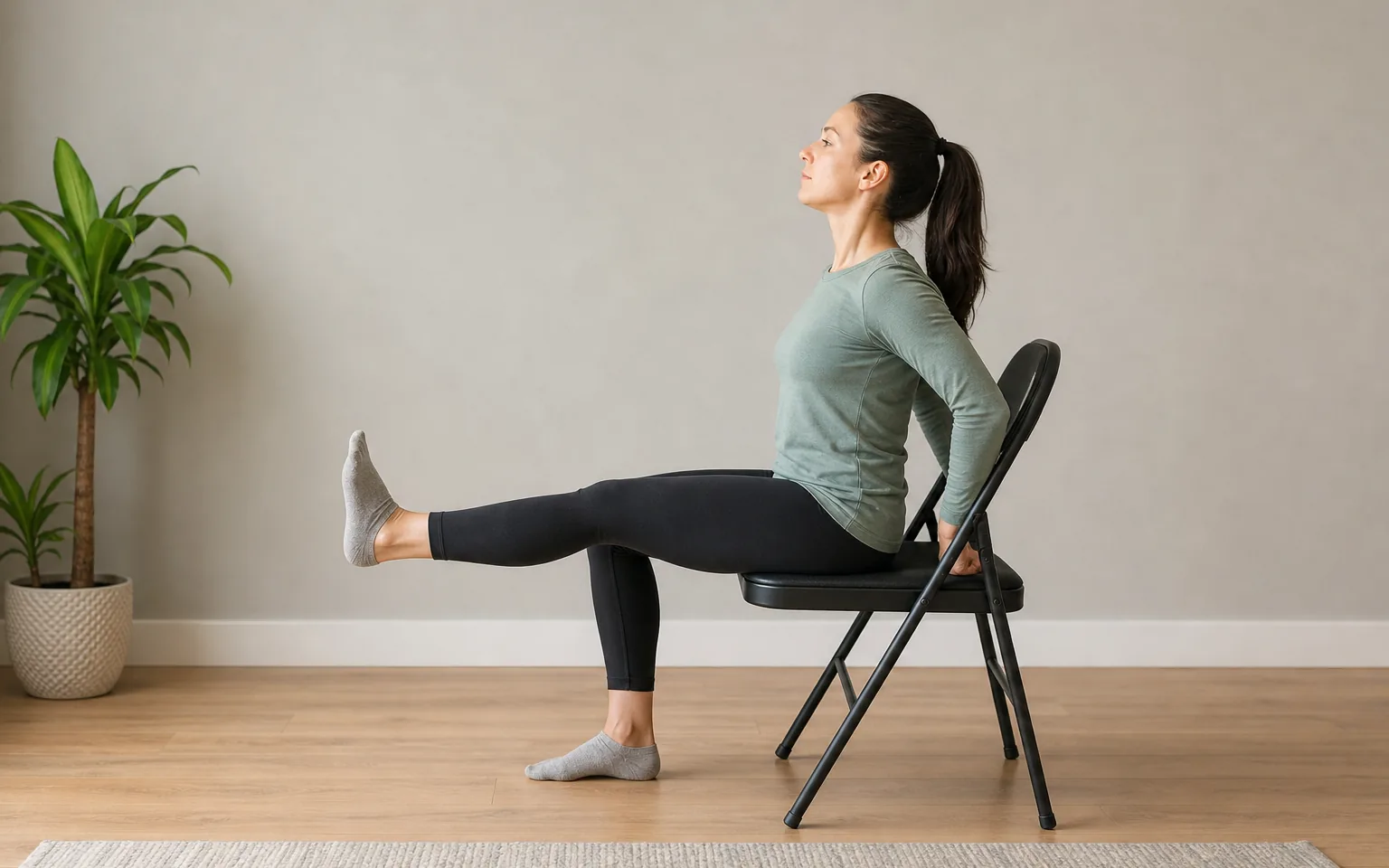
How to do it: sit tall on a chair. Slowly straighten the knee of the sore leg while you tilt your head up, then bend the knee as you bring your chin down. Repeat 8 to 10 times in a smooth rhythm. Move gently and avoid forcing the range. Nerve gliding focuses on mobility, so keep the movement controlled and comfortable.
Compare the five sciatica exercises by focus and caution
| Exercise | Primary Target | Typical Reps / Sets | Key Caution |
|---|---|---|---|
| Figure 4 Stretch | Piriformis / buttock | Hold 20‑30 s, each side, 2‑3 times | Stop if pain worsens |
| Knee‑to‑Chest Stretch | Lower back / buttocks | 30 s hold, 3 reps per leg | Cease if tingling increases |
| Glute Bridges | Glutes / lumbar stabilisers | 8‑10 reps, 1‑2 sets | Avoid arching too high |
| Cobra Pose | Spine extension muscles | 10 gentle lifts | Do not hold if back pain spikes |
| Gentle Nerve Gliding | Sciatic nerve mobility | 8‑10 smooth repetitions | Stop at electric‑shock sensation |
All five moves share a low‑impact approach and can be done at home. The main differences lie in which muscle group they target and the warning signs you should watch for.
Read how our physiotherapists integrate these exercises into a personalised plan.
Frequently asked questions
What are the common signs that an exercise is making sciatica worse?
If you feel a sharp, burning pain that travels farther down the leg, a sudden tingling sensation, or new weakness in the foot, stop the movement immediately and seek professional advice. Those symptoms suggest the nerve is being irritated.
How often should I do these sciatica exercises?
Many people do gentle stretches once or twice a day for a few minutes, but the right amount depends on your symptoms, so ask your physiotherapist. Consistency helps maintain mobility without over‑loading the nerve.
Can I combine these exercises with other treatments?
Yes. Physiotherapy often pairs these moves with manual therapy, such as dry needling or joint mobilisation, to address underlying tension. Your therapist can design a blended programme that fits your goals.
When should I see a doctor for sciatica?
Seek urgent medical attention if you notice loss of bladder or bowel control, numbness around the groin or buttocks, severe or worsening weakness in the leg, or pain that escalates rapidly despite rest and gentle movement. Those are red‑flag signs that need urgent assessment.
Are these exercises safe for older adults?
Generally they are, provided the movements stay within a pain‑free range. Older people may need fewer repetitions and extra support, such as a chair for balance. A physiotherapist can modify the routine to match individual ability.
Conclusion
If you’re ready to try a gentle, evidence‑informed routine, start with the Figure 4 stretch and progress through the list as your comfort improves. To make sure the programme suits your specific condition, book an assessment at our Albert Park clinic and let our team design a personalised plan for you.