
Dry Needling Services in Albert Park: Results Based Physio

Electro-Dry Needling


Electro-Dry Needling

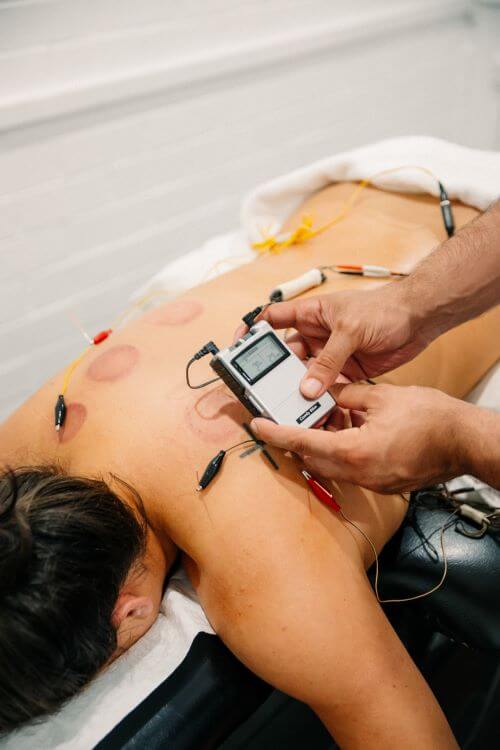
Electro-dry needling is an advanced form of dry needling that adds a gentle electrical current through the needle. It works on exactly the same principle as standard dry needling — releasing tight, dysfunctional muscle and stimulating the body’s natural healing response — with one powerful addition: the electrical stimulation.

That small current makes a real difference. By stimulating the muscle continuously while the needle is in place, electro-dry needling drives an even stronger response in the tissue, helping to release stubborn tension, reduce pain, and kick-start healing more effectively than needling alone. It’s a treatment we often turn to for deeper, more persistent muscular problems that need something with a little more power behind it.

Book an appointment or get in touch to find out if electro-dry needling could help you.
How Does Electro-Dry Needling Work?

Like standard dry needling, electro-dry needling achieves what a deep tissue massage does — but from the inside. Instead of pressing on the surface of the skin, a fine needle is inserted directly into the dysfunctional muscle or myofascial trigger point (the technical term for a tight, painful “knot”), stimulating the deeper structures that hands alone can’t reach and beginning the healing process right at the source.

Dry needling already creates a stronger inflammatory response than most other forms of manual therapy — and because a controlled inflammatory response is what triggers the body to heal, that makes it a powerful way to kick-start recovery. Electro-dry needling takes this a step further. By passing a gentle electrical current through the needle, the muscle is stimulated continuously while the needle is in place, driving an even greater response in the tissue. The result is a more powerful release of tension and a stronger healing stimulus — which is why we often reach for it when muscular problems are deep, stubborn, or slow to respond to other treatments.

Electro Dry Needling at Results Based Physio

Who Can Benefit from Electro-Dry Needling?

Electro-dry needling suits many of the same people who benefit from standard dry needling — but it’s especially useful when a problem is deeper, more stubborn, or slower to respond to other treatments. The added electrical stimulation gives us extra power to draw on when a muscle needs more than hands or needles alone.

We often use electro-dry needling for people who are:

  • Dealing with deep or persistent muscle tension — the kind of stubborn tightness and trigger points that haven’t fully released with other approaches.
  • Managing chronic or long-standing pain — where a stronger, more sustained stimulus can help where gentler treatments have plateaued.
  • Recovering from sports or overuse injuries — needing a powerful way to release tight, overworked muscle and kick-start recovery.
  • Frustrated after trying everything else — if you’ve had treatment elsewhere without lasting results, electro-dry needling reaches deeper structures and drives a stronger healing response.
  • Athletes and heavy trainersmanaging the significant muscular load that comes with intense, regular training.

Because it’s a stronger treatment, electro-dry needling isn’t the right fit for everyone or every situation. Your physiotherapist will always assess you first, talk you through your options, and only recommend it when it’s genuinely the best approach for your problem.

Conditions Electro-Dry Needling Can Help With

Electro-dry needling can help with many of the same muscular and musculoskeletal complaints as standard dry needling — but it’s particularly useful when tension is deep, persistent, or hasn’t fully responded to other treatments. The added electrical stimulation gives us a stronger tool for the tougher cases.

We commonly use electro-dry needling as part of a treatment plan for concerns such as:

  • Deep or stubborn muscle tension and trigger points — the persistent “knots” that haven’t released with other approaches.
  • Chronic or long-standing muscular pain — where a stronger, sustained stimulus can help move things forward.
  • Neck and back pain — muscular tension around the spine that’s proving slow to shift.
  • Shoulder painincluding tension involving the rotator cuff and surrounding muscles.
  • Sports and overuse injuriesmuscle strains and the heavy tightness that builds up from intense training.
  • Hip and gluteal tightness — deep tension that affects movement and running.
  • Lower limb complaintssuch as calf tightness and shin pain.
  • Tension-type headaches — where tightness in the neck and shoulder muscles contributes to head pain.

Because electro-dry needling is a stronger treatment, it isn’t suitable for every person or every condition. Your physiotherapist will assess you thoroughly, check that it’s appropriate for you, and only recommend it when it’s genuinely the best approach for your problem.

What to Expect from Electro-Dry Needling

If you’ve had standard dry needling before, electro-dry needling will feel familiar — with one added sensation from the electrical stimulation. Knowing what’s coming helps you relax and get the most out of your treatment.

Before we begin
Because electro-dry needling uses a gentle electrical current, we’ll always check it’s suitable for you first. Electrical stimulation isn’t recommended for everyone — for example, if you have a pacemaker or certain medical conditions — so your physiotherapist will ask a few questions and make sure it’s the right and safe choice before starting.

During your treatment
A fine needle is inserted into the muscle, just like standard dry needling — most people are surprised by how thin the needles are and often barely feel them go in. Once in place, a gentle electrical current is applied, which you’ll feel as a light, repetitive pulsing, tapping, or tingling sensation in the muscle. It can feel unusual at first, but it shouldn’t be painful, and we adjust the intensity to a level that’s comfortable for you. You’re always in control — just let us know how it feels.

Afterwards
As with dry needling, it’s common to feel some mild muscle soreness for a day or two, similar to the ache after a good workout, and you may notice mild tenderness in the treated area. Many people feel looser and more mobile soon after, while for others the benefit builds over the following day or two. Staying hydrated, moving gently, and applying heat to any tight areas all help.

At Results Based Physio in Albert Park, we’ll talk you through everything as we go — so you always know what’s normal and feel comfortable from start to finish.

Why Electro-Dry Needling Works So Well

The addition of a gentle electrical current amplifies everything dry needling already does — and helps drive faster tissue healing and regeneration. The electrical stimulation is thought to encourage cells to migrate toward the treated area, increasing cellular activity at the site. In simple terms, it helps concentrate your body’s natural repair processes exactly where they’re needed, supporting healing and helping the tissue return to a healthy, balanced state.

It’s this extra layer of stimulation that makes electro-dry needling such a powerful option for deep, stubborn, or slow-to-heal muscular problems — and a treatment we often turn to when a muscle needs more than needling or hands alone.

Safe, and in expert hands

Electro-dry needling is a safe treatment when performed by a qualified professional, and at Results Based Physio in Albert Park it’s carried out by our highly trained physiotherapists. We’ll always check it’s suitable for you, explain what to expect, and tailor the treatment to your comfort — so you’re in good hands from start to finish.

If you’ve been struggling with tension or pain that just won’t shift, electro-dry needling could be the extra push your body needs to finally move forward.

Book an appointment or get in touch to find out if it’s right for you.

To find out what these treatments actually do to the body, please read the sections under our Treatment Benefits page.

Scroll to Top

Supporting literature and scientific studies can be found on the References page.